
Call us now :08071630254
 Send Inquiry
 Send Inquiry
Iohexol Related Compound A
MOQ : 1 Kilograms
Iohexol Related Compound A Specification
- Melting Point
- 174-180 °C
- Purity
- 95%
- Molecular Formula
- C19H26I3N3O9
- Usage
- This medication is used before X-ray imaging tests (such as CT scans). Iohexol contains iodine and belongs to a class of drugs known as contrast media or dyes. It works by adding contrast to body parts and fluids in these imaging tests.
- Molecular Weight
- 821.1 Grams (g)
Iohexol Related Compound A Trade Information
- Minimum Order Quantity
- 1 Kilograms
- Payment Terms
- Cash in Advance (CID), Cash Advance (CA)
- Supply Ability
- 500 Kilograms Per Month
- Delivery Time
- 3-4 Week
- Sample Available
- Yes
- Sample Policy
- Sample costs shipping and taxes has to be paid by the buyer
- Main Export Market(s)
- Western Europe, Australia, Middle East, Central America, South America, Asia, Eastern Europe, North America, Africa
- Main Domestic Market
- All India
About Iohexol Related Compound A
Iohexol Related Compound AUnited States Pharmacopeia (USP) Reference StandardSynonym: 5-(Acetylamino)-N,N-bis(2,3-dihydroxypropyl)-2,4,6-triiodo-1,3-benzenedicarboxamide, 5-Acetylamino-N,N-bis(2,3-dihydroxypropyl)-2,4,6-triiodoisophthalamideCAS Number31127-80-7Empirical Formula (Hill Notation)C16H20I3N3O7Molecular Weight747.06PropertiesRelated CategoriesAnalytical Standards,Analytical/Chromatography,Pharmacopeia & Metrological Institutes Standards,USP Standards,USP Standards I - Kform neatformat neatFAQs of Iohexol Related Compound A:
Q: What is the molecular formula of Iohexol Related Compound A?
A: The molecular formula of Iohexol Related Compound A is C19H26I3N3O9.Q: What is the molecular weight of Iohexol Related Compound A?
A: The molecular weight of Iohexol Related Compound A is 821.1 grams (g).Q: What is the primary usage of Iohexol Related Compound A?
A: Iohexol Related Compound A is used before X-ray imaging tests (such as CT scans). It contains iodine and belongs to the class of drugs known as contrast media or dyes, adding contrast to body parts and fluids during imaging tests.Q: What is the melting point of Iohexol Related Compound A?
A: The melting point of Iohexol Related Compound A ranges between 174-180C.Q: What is the purity level of Iohexol Related Compound A?
A: The purity of Iohexol Related Compound A is 95%.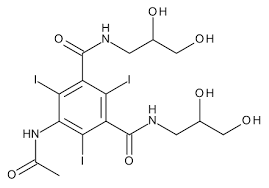
Tell us about your requirement

Price:
Quantity
Select Unit
- 50
- 100
- 200
- 250
- 500
- 1000+
Additional detail
Mobile number
Email

More Products in Analytical Grade Chemicals Category
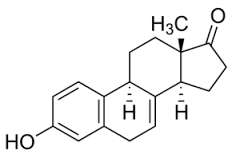
Equilin solution
Price 100 INR
Minimum Order Quantity : 1 Kilograms
Molecular Formula : C18H20O2
Molecular Weight : 268.356 Grams (g)
Purity : 99%
Usage : Equilin is one of the major components of estrogens for hormone replacement therapy, along with estrone and equilenin (another equilin estrogen; 517099). These estrogens are administered as salts of their sulfate esters.
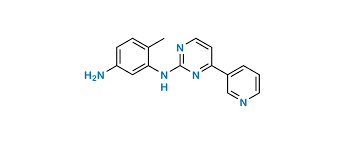
Imatinib impurity F
Price 100 INR
Minimum Order Quantity : 1 Kilograms
Molecular Formula : C29H31N7O
Molecular Weight : 493.6 Grams (g)
Purity : 99.67%
Usage : This medication is used to treat certain types of cancer (such as acute lymphoblastic leukemia, chronic myeloid leukemia, gastrointestinal stromal tumors, and myelodysplastic/myeloproliferative diseases). It is a chemotherapy drug that works by slowing or stopping the growth of cancer cells.
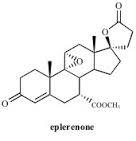
Eplerenone
Price 100 INR
Minimum Order Quantity : 1 Kilograms
Molecular Formula : C24H30O6
Molecular Weight : 414.5 Grams (g)
Purity : 99%
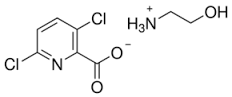
Clopyralid (2-hydroxyethyl)ammonium
Price 100 INR
Minimum Order Quantity : 1 Kilograms
Molecular Formula : C6H3Cl2NO2
Molecular Weight : 192.00 Grams (g)
Purity : 98%
Usage : Clopyralid (3,6dichloro2pyridinecarboxylic acid) is a selective herbicide used for control of broadleaf weeds, especially thistles and clovers. Clopyralid is in the picolinic acid family of herbicides, which also includes aminopyralid, picloram, triclopyr, and several less common herbicides.

 Send Inquiry
Our Products


Kesarkunj, Rm No. 9, Vasanji Lalji Road, Kandivali (W), Mumbai - 400067, Maharashtra, India

Mr Nilesh Shah
(Director)
Mobile :08071630254
 Send Inquiry
 Send SMS
Developed and Managed by Infocom Network Private Limited.
