
Call us now :08071630254
 Send Inquiry
 Send Inquiry
Dihydromyricetin
MOQ : 1 , , Kilograms
Dihydromyricetin Specification
- Molecular Weight
- 320.25 Grams (g)
- Purity
- 95%
- Molecular Formula
- C15H12O8
- Melting Point
- 240-256°C
- Usage
- Dihydromyricetin is most often taken after a night of drinking. But it can also be taken beforehand to prevent drunkenness. The reason that Dihydromyricetin prevents drunkenness is the same reason that it helps you sober up quickly. It helps your liver process alcohol faster and reduces its impact on your brain.
Dihydromyricetin Trade Information
- Minimum Order Quantity
- 1 , , Kilograms
- Payment Terms
- Cash in Advance (CID), Cash Advance (CA)
- Supply Ability
- 500 Kilograms Per Month
- Delivery Time
- 3-4 Week
- Sample Available
- Yes
- Sample Policy
- Sample costs shipping and taxes has to be paid by the buyer
- Main Export Market(s)
- Western Europe, Australia, Central America, Middle East, South America, Asia, Eastern Europe, North America, Africa
- Main Domestic Market
- All India
About Dihydromyricetin
Dihydromyricetin Synonym: (2R,3R)-3,5,7-Trihydroxy-2-(3,4,5-trihydroxyphenyl)-2,3-dihydrochromen-4-one, Ampelopsin, DHM CAS Number 27200-12-0 Empirical Formula (Hill Notation) C15H12O8 Molecular Weight 320.25 grade analytical standard assay 95.0% (HPLC) shelf life limited shelf life, expiry date on the labelFAQs of Dihydromyricetin:
Q: What is the primary usage of Dihydromyricetin?
A: Dihydromyricetin is most often taken after a night of drinking, but it can also be taken beforehand to prevent drunkenness.Q: How does Dihydromyricetin help with alcohol consumption?
A: Dihydromyricetin helps your liver process alcohol faster and reduces its impact on your brain, which prevents drunkenness and assists in sobering up quickly.Q: What is the molecular weight of Dihydromyricetin?
A: The molecular weight of Dihydromyricetin is 320.25 grams (g).Q: What is the melting point range of Dihydromyricetin?
A: The melting point of Dihydromyricetin is in the range of 240-256C.Q: What is the purity level of Dihydromyricetin?
A: Dihydromyricetin has a purity level of 95%.Q: What is the molecular formula of Dihydromyricetin?
A: The molecular formula of Dihydromyricetin is C15H12O8.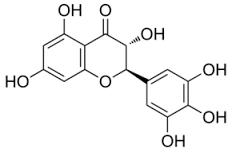
Tell us about your requirement

Price:
Quantity
Select Unit
- 50
- 100
- 200
- 250
- 500
- 1000+
Additional detail
Mobile number
Email

More Products in Analytical Grade Chemicals Category
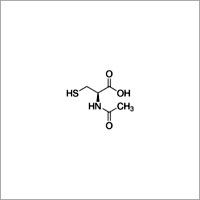
Acetylcysteine
Price 100 INR
Minimum Order Quantity : 1 Kilograms
Purity : 99.2%
Molecular Weight : 163.2 Grams (g)
Molecular Formula : C5H9NO3S
Usage : When inhaled by mouth, acetylcysteine is used to help thin and loosen mucus in the airways due to certain lung diseases (such as emphysema, bronchitis, cystic fibrosis, pneumonia). This effect helps you to clear the mucus from your lungs so that you can breathe easier.
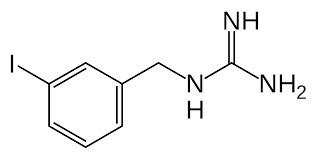
Iobenguane sulfate
Price 100 INR
Minimum Order Quantity : 1 Kilograms
Purity : 97%
Molecular Weight : 373.17 Grams (g)
Molecular Formula : C8H12IN3O4S
Usage : Iobenguane sulfate I 131 Injection is indicated as an adjunctive diagnostic agent in the localization of primary or metastatic pheochromocytomas and neuroblastomas.
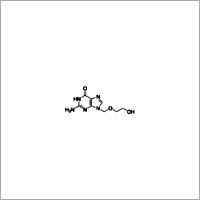
Aciclovir
Price 100 INR
Minimum Order Quantity : 1 Kilograms
Purity : 98%
Molecular Weight : 225.21 Grams (g)
Molecular Formula : C8H11N5O3
Usage : Acyclovir is used to treat infections caused by certain types of viruses. It treats cold sores around the mouth (caused by herpes simplex), shingles (caused by herpes zoster), and chickenpox. This medication is also used to treat outbreaks of genital herpes.
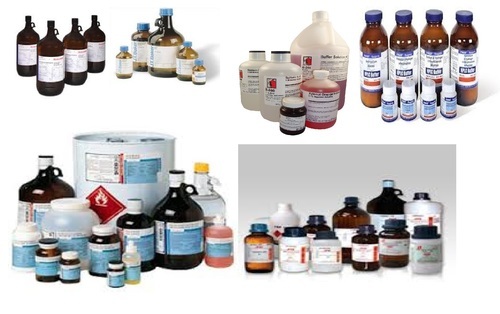
1,3-Dimethyl-2-nitrobenzene solution
Price 100 INR
Minimum Order Quantity : 1 Kilograms
Purity : 95%
Molecular Weight : 123.11 Grams (g)
Molecular Formula : C6H5NO2
Usage : Most of the nitrobenzene produced in the United States is used to manufacture a chemical called aniline. Nitrobenzene is also used to produce lubricating oils such as those used in motors and machinery. A small amount of nitrobenzene is used in the manufacture of dyes, drugs, pesticides, and synthetic rubber.

 Send Inquiry
Our Products


Kesarkunj, Rm No. 9, Vasanji Lalji Road, Kandivali (W), Mumbai - 400067, Maharashtra, India

Mr Nilesh Shah
(Director)
Mobile :08071630254
 Send Inquiry
 Send SMS
 Call Me Free
Developed and Managed by Infocom Network Private Limited.
